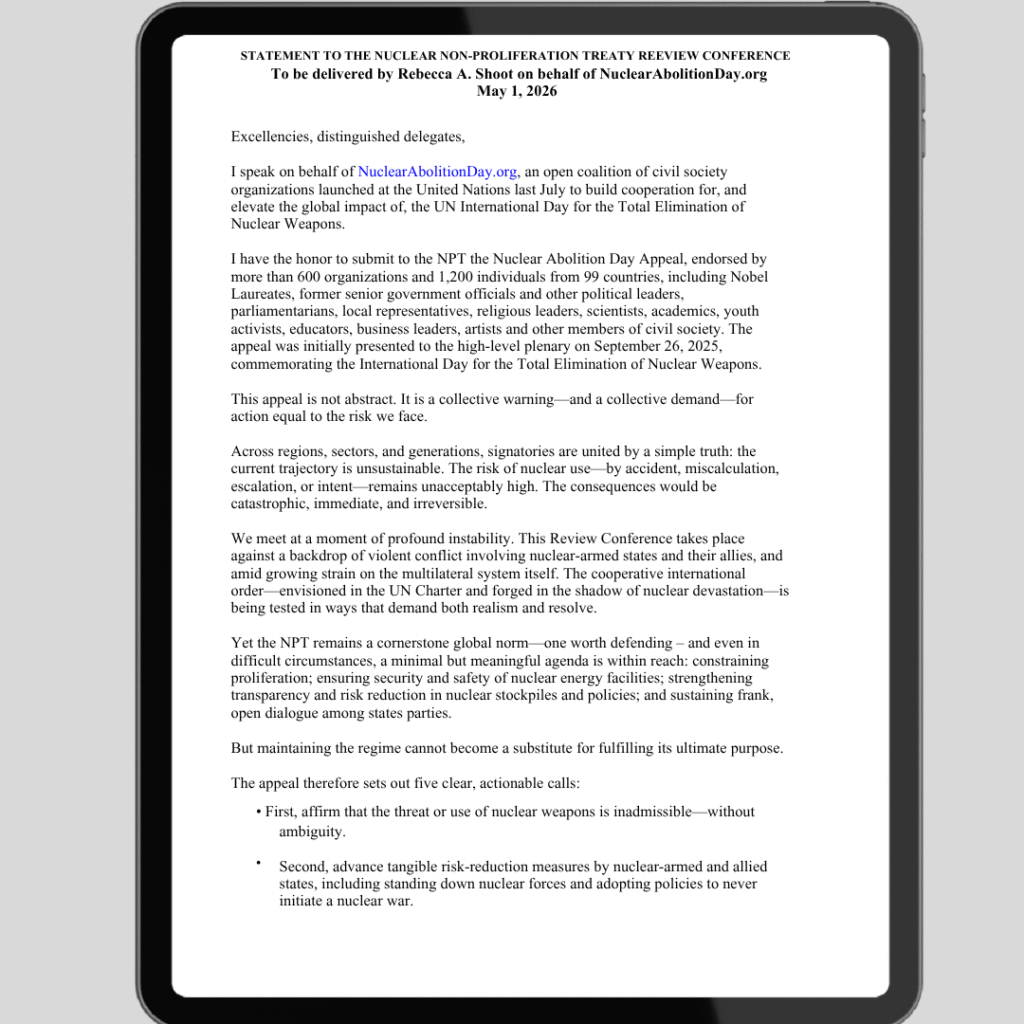
In September 2025, Pax Christi was one of more than 670 organisations and 1400 individuals from 101 countries to endorse an appeal on Nuclear Abolition Day (the UN International Day for the Total Elimination of Nuclear Weapons)
The appeal challenged states to be serious on progress towards disarmament and on the 1st May it was presented to the NPT Review Conference currently underway at the UN in New York.
The appeal calls on States to take action to:
affirm that the threat or use of nuclear weapons is inadmissible—without ambiguity.
advance tangible risk-reduction measures by nuclear-armed and allied states, including standing down nuclear forces and adopting policies to never initiate a nuclear war.
commit to the global elimination of nuclear weapons no later than 2045— the centenary of the United Nations—and begin immediate, good-faith steps, to achieve it.
cut nuclear weapons budgets and end public and private investments in the nuclear weapons industry.
redirect those resources to what actually sustains human security: strengthening the United Nations, advancing peace and conflict resolution, addressing the climate crisis, and meeting urgent human needs.
You can read the full statement presenting the appeal here:
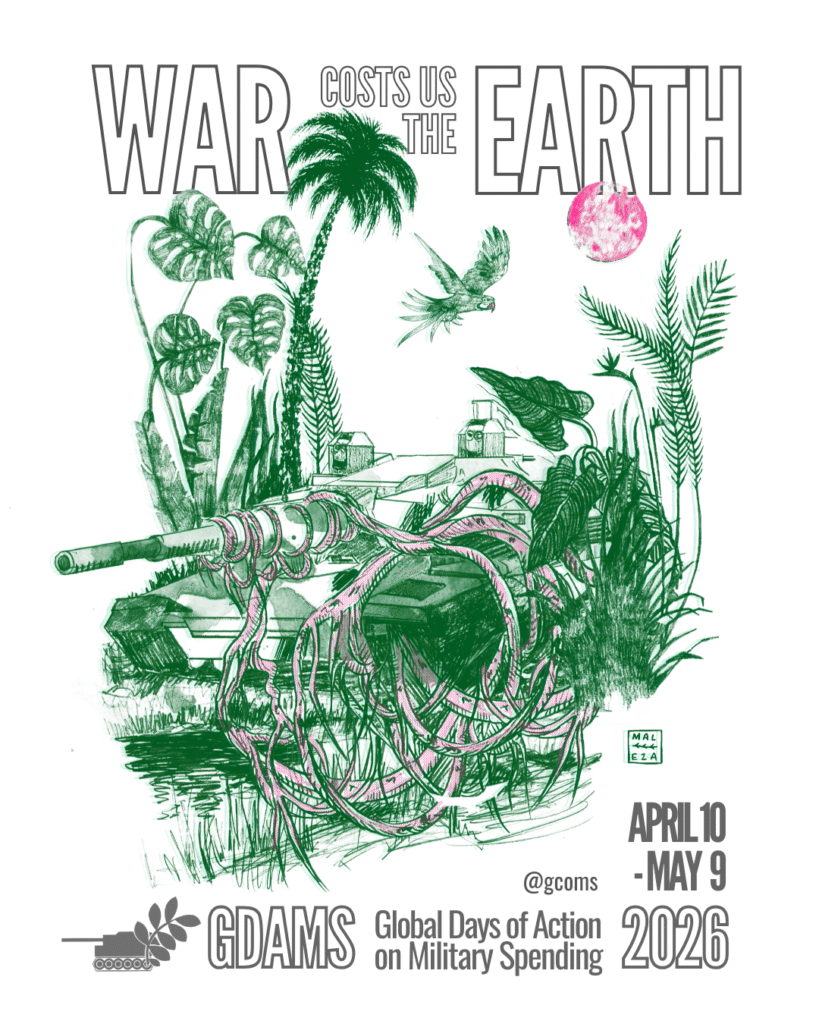
We are in the middle of this year’s Global Days of Action on Military Spending and have signed this year’s international appeal.
The appeal challenges the narrative that increases in military spending increase our security and challenges Governments around the world to:
‘undertake major reductions to their military expenditure and redirect those funds to social and environmental sectors, tackling the global challenges of our time and funding human security’.
The UK government to cancel its proposals to increase spending on the military, specifically the plans to spend 3.5% of GDP during the next parliament.
The UK to focus on initiatives aimed at diplomacy, conflict reduction, and disarmament.
The highest priority to be given by the government to funding socially productive projects, including the alleviation of poverty and inequality at home and around the world, and stronger efforts to mitigate the climate and nature crises.
The UK to adhere to international law and the UN’s international conflict resolution framework, as well as compliance with disarmament treaties and support for the convening of a long-overdue Fourth Special Session on Disarmament, as agreed upon in the UN’s Pact for the Future.
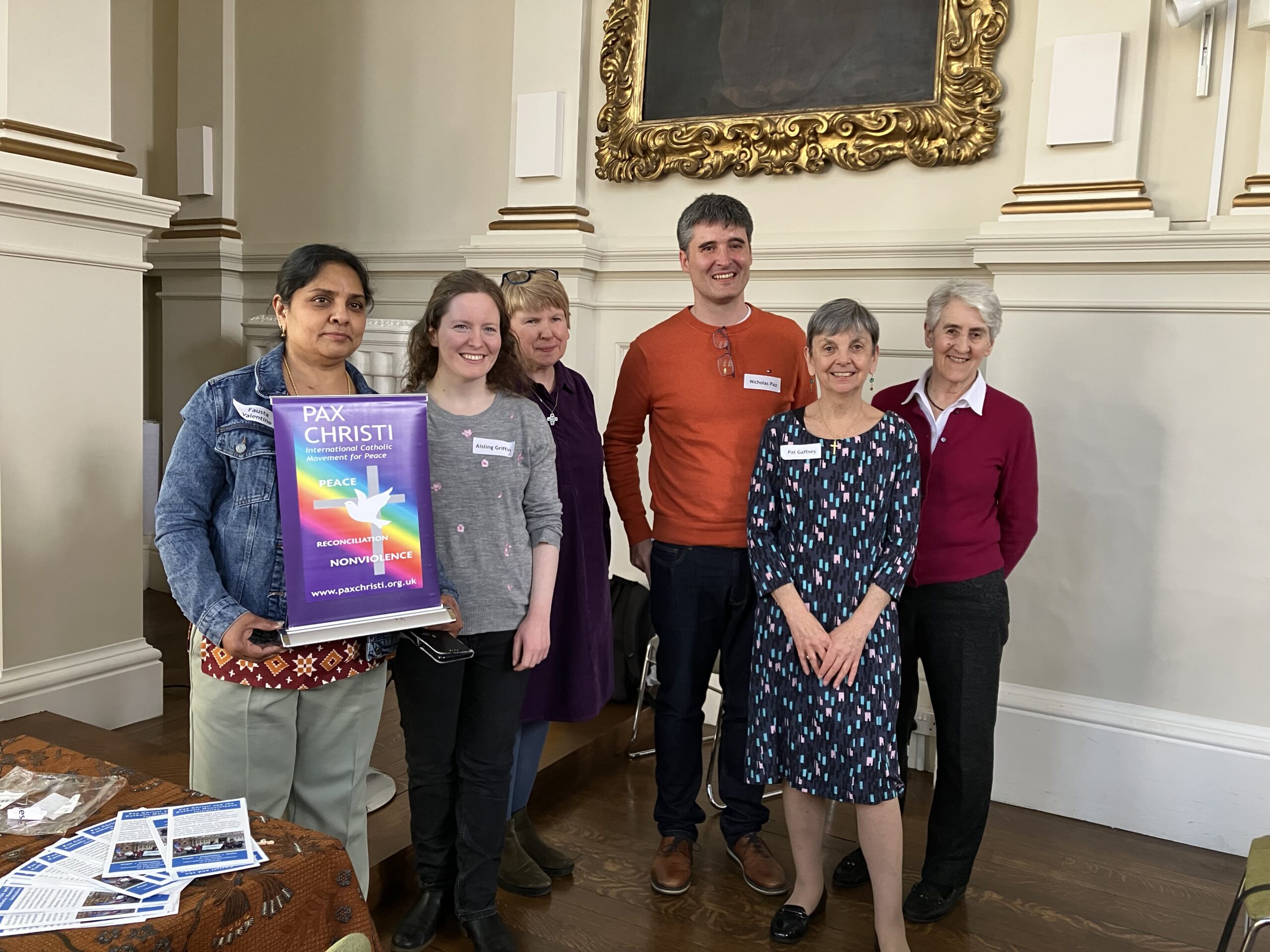
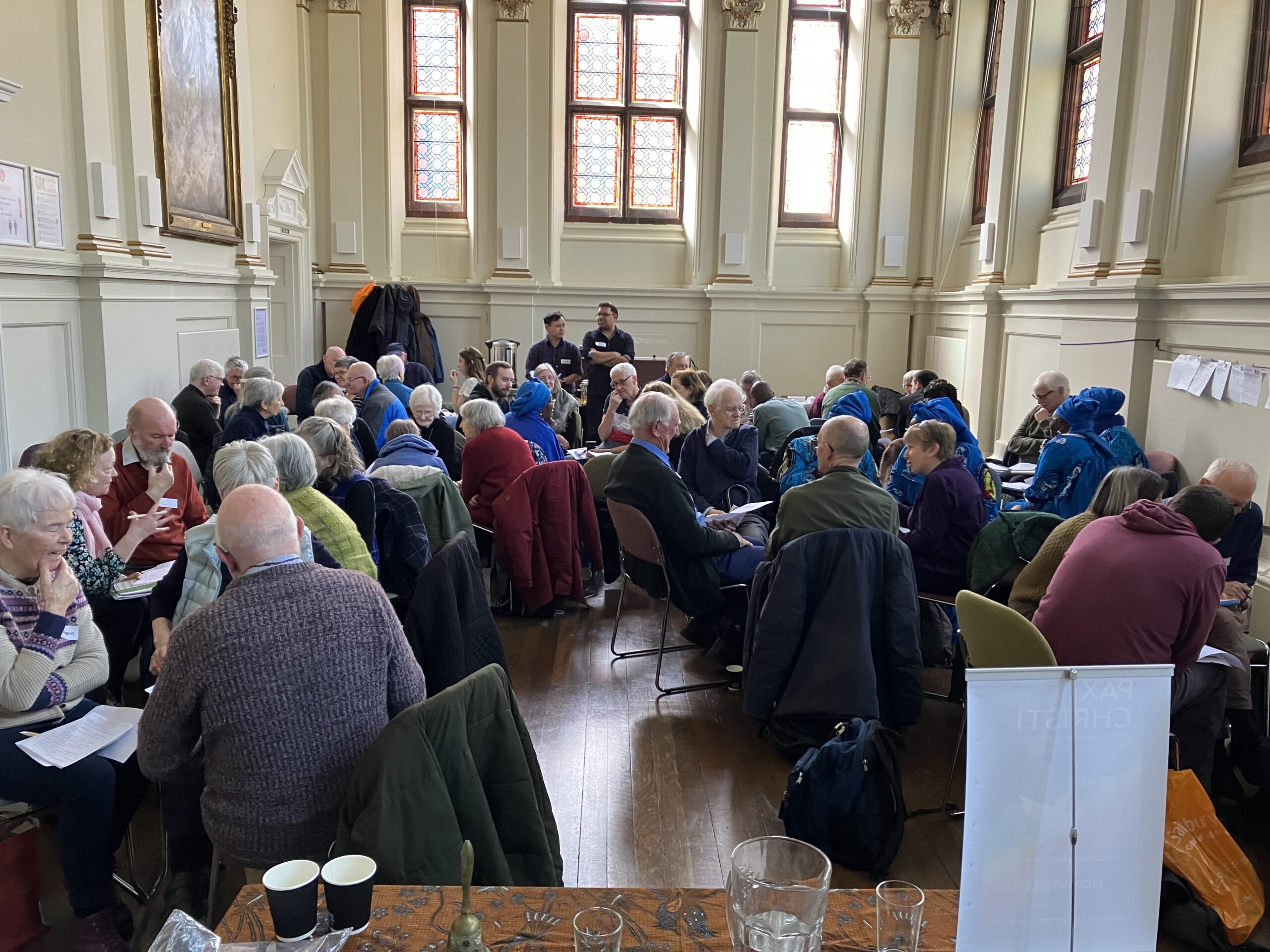
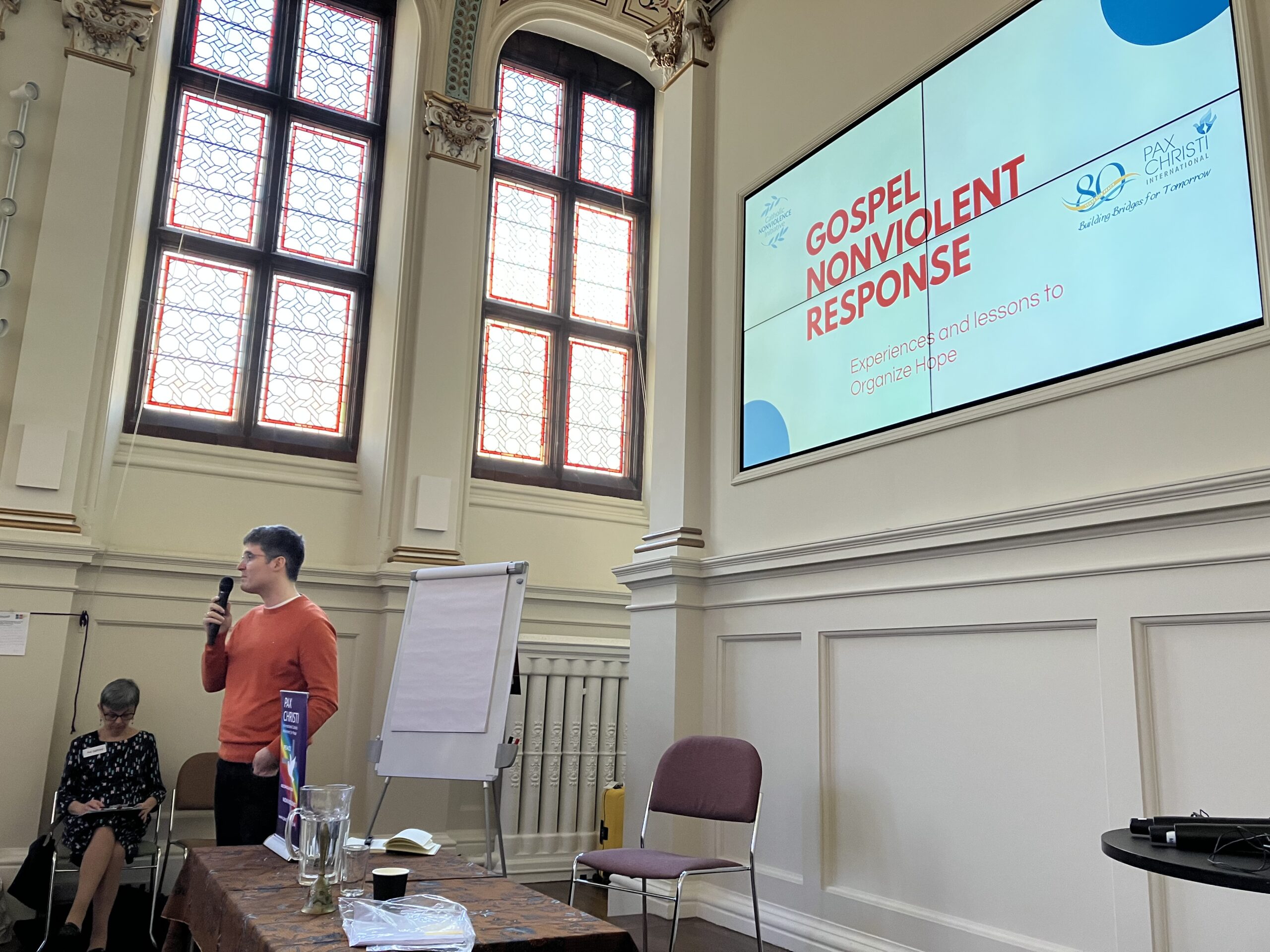
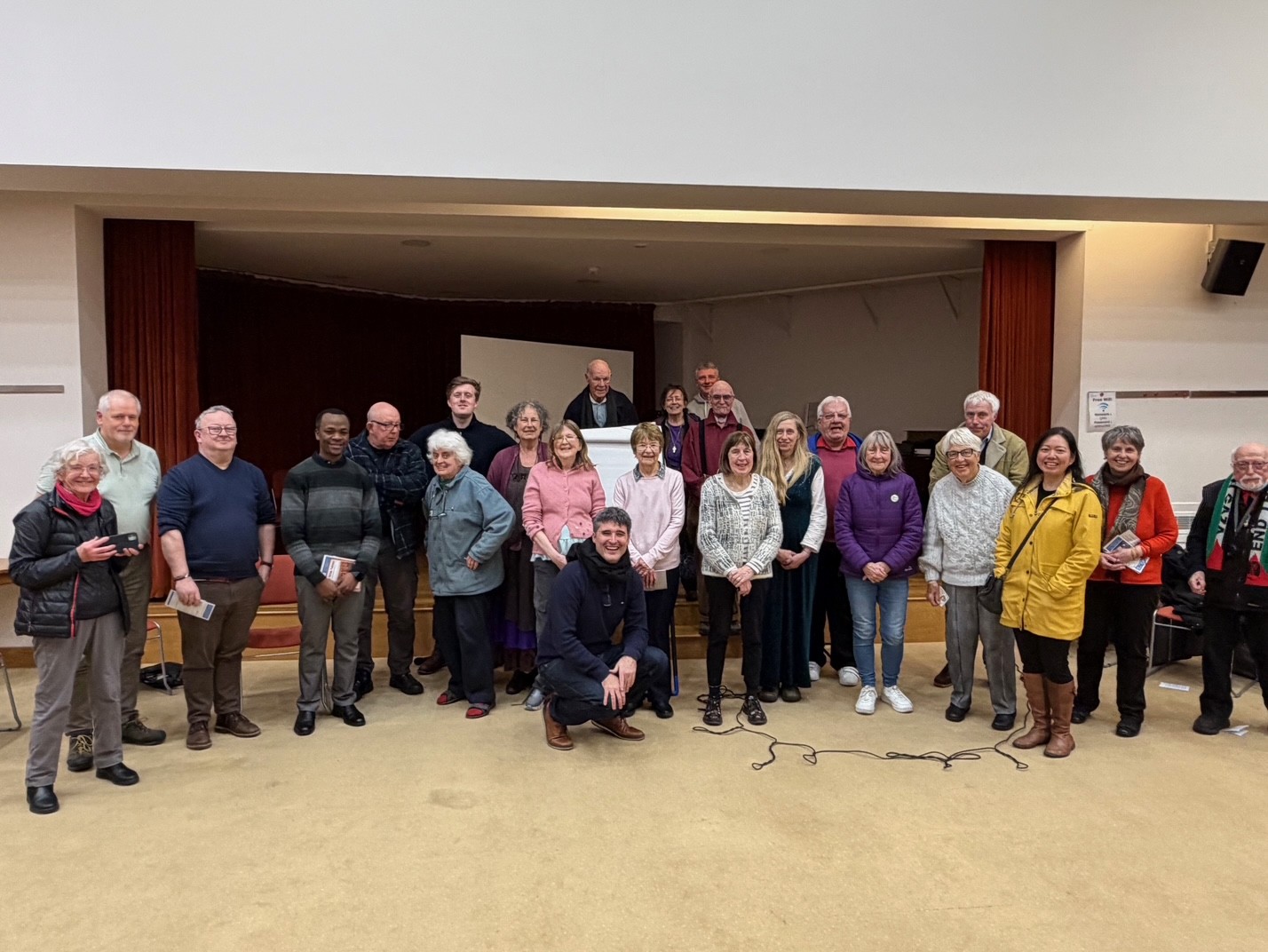
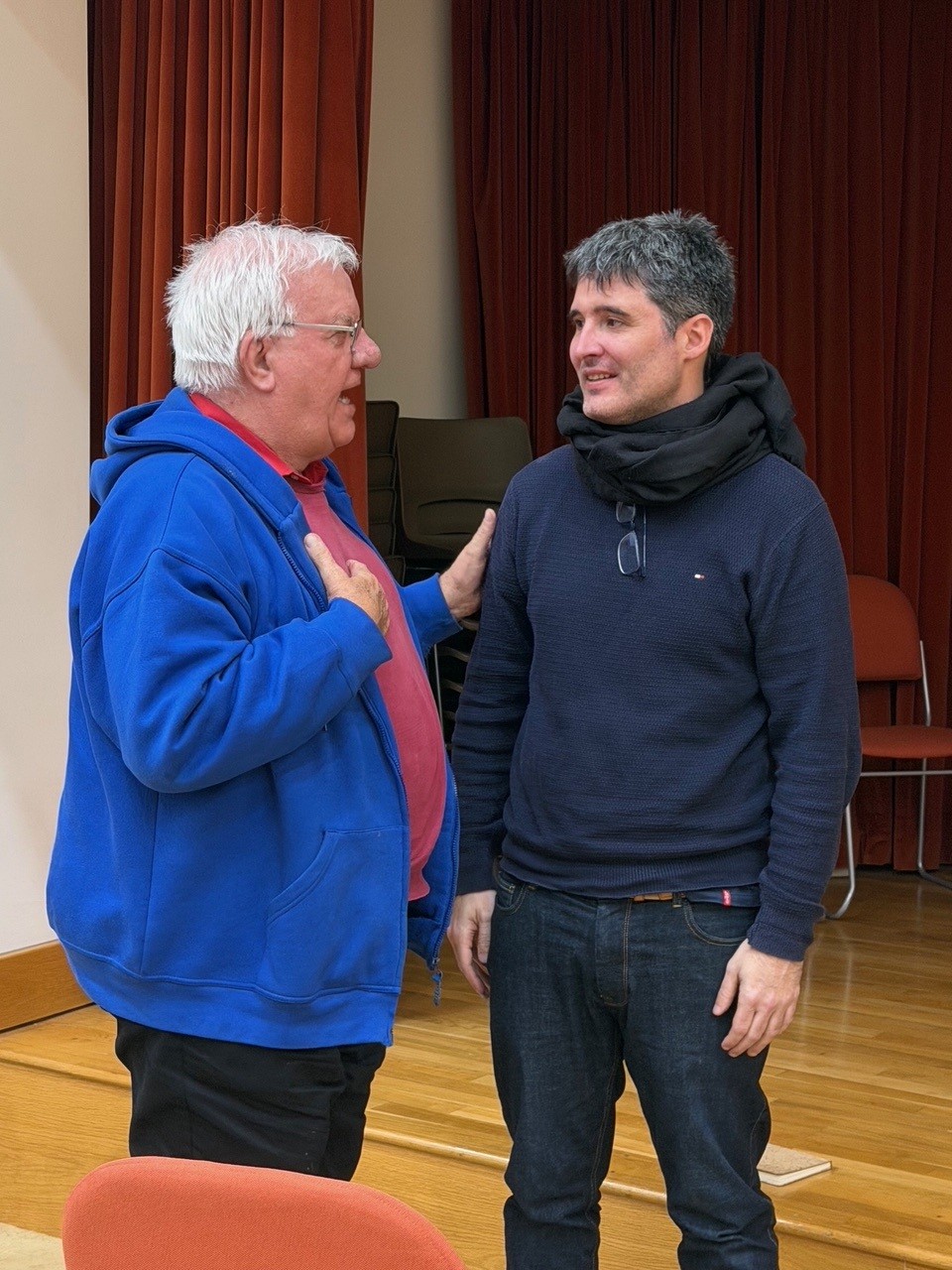
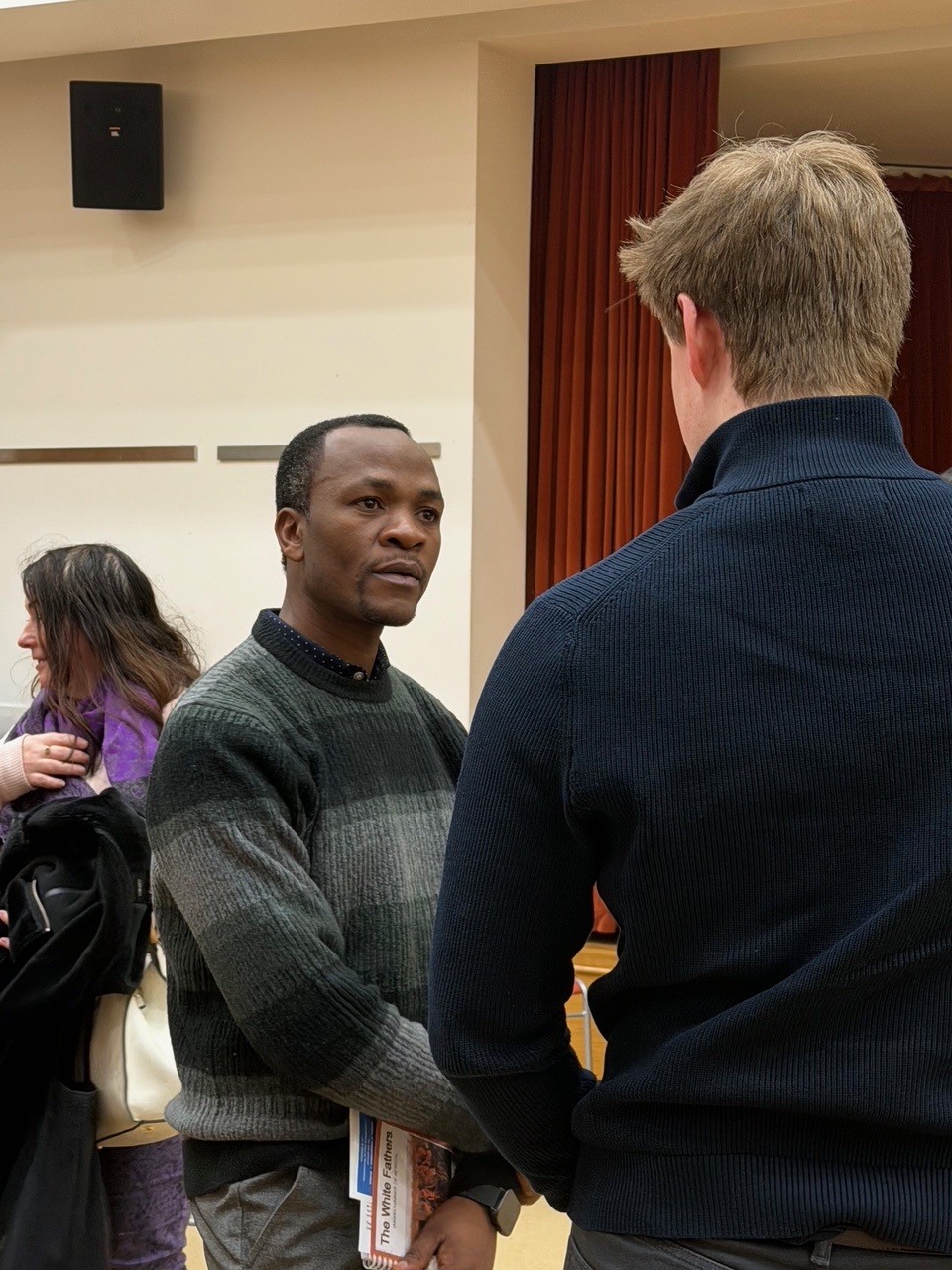
We had a great weekend with Nicholas Paz from the Catholic Nonviolence Initiative meeting with a number of Bishops on Friday and then speaking at events in London, Leeds and Liverpool. Thank you to everyone who joined us and to Nicholas for your input and inspiration.
Here are just some of the comments from those who attended:
Nonviolence ‘is much broader than ‘pacifism’, disarmament etc. It is a spirituality above all’.
‘Good to hear about the recent research on effectiveness of nonviolence and the different ways of presenting the idea to a Catholic audience’
Nicholas explained ‘the interconnectedness of the varied manifestations of violence: personal, community and international’.
I learned that ‘nonviolence is not about submission. Nonviolence should say NO to what is wrong.’
One of our former Vice Chairs, Joan Sharples has written a longer reflection on the event in Liverpool which you can read as a Members’ Blog here:
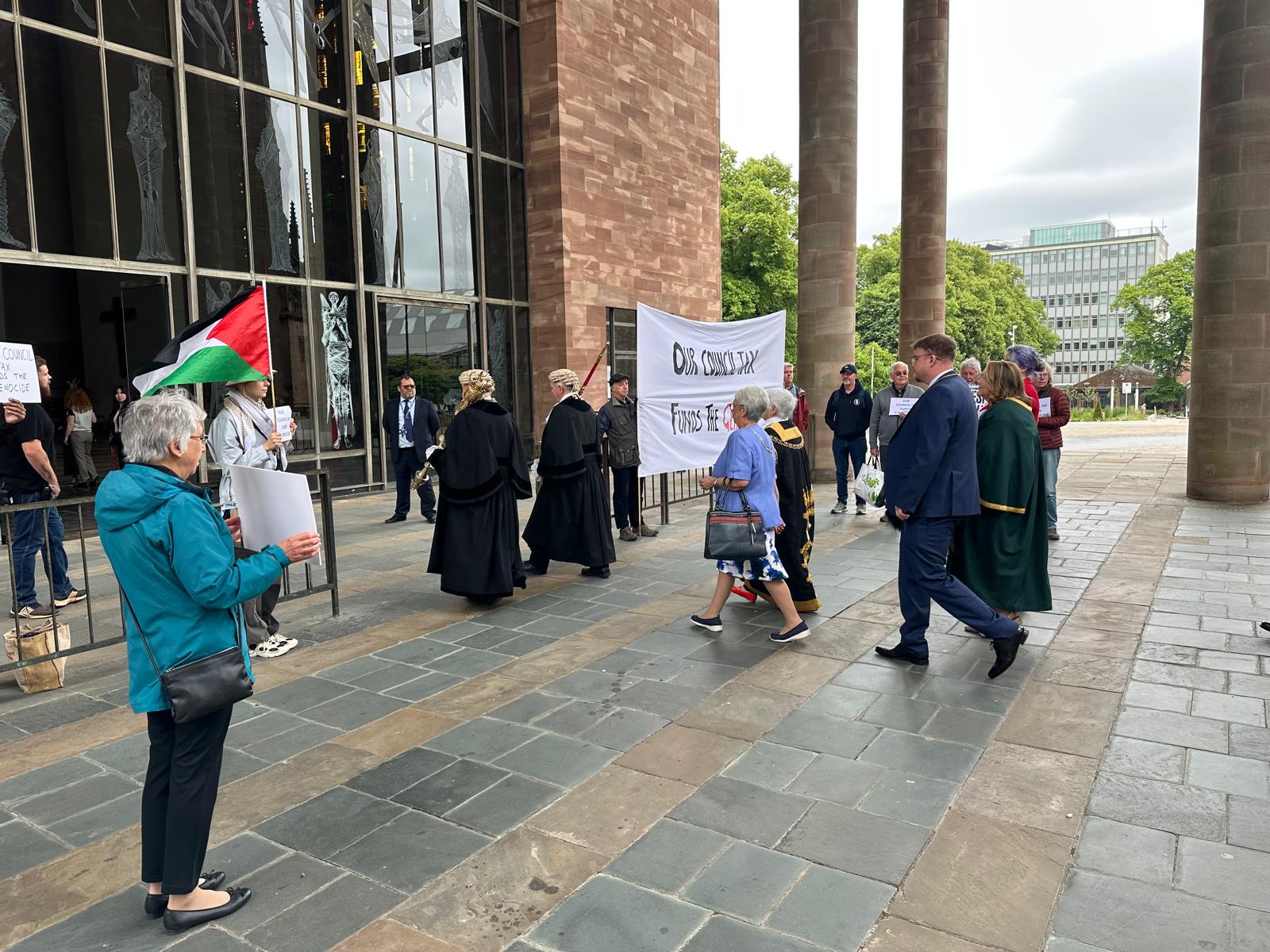
Only once has a UK local authority pension fund divested in any way from the arms trade. This is how it happened and how St John’s gospel unwittingly described it.
In chapter 9 of his Gospel, which we read at Mass yesterday, St John tells a story about wilful blindness, prevarication, obfuscation, real blindness and curing.
As he went along, he saw a man who had been blind from birth. His disciples asked him ‘Rabbi, who sinned, this man or his parents, for him to have been born blind?’
The man had been blind for twenty, maybe thirty, years. It was his natural condition. It would continue until he died. Cluster bombs came into being around 1940 and were not formally outlawed until 2008. The UK ratified the ban into law in 2010. Seventy years, it took – a lifetime.
‘Neither he nor his parents sinned’, Jesus answered, ‘he was born blind so that the works of God might be displayed in him’.
Jesus rejects the disciples’ viewpoint. The blind man’s situation is not to be endured. The situation needs to be understood in a different way. The 2010 Convention on Cluster Munitions (CCW) was also a declaration that a new way had been reached. But declarations are not enough; they must be acted on. And Jesus insists on making a public display of the unfolding of God’s works. In 2014, we discovered that cluster munitions were still being funded by our local pension fund, despite having been illegal in the UK since 2010. The mere declaration of these facts ought to have been enough to end the funding. Or, as the man born blind summarised things, ‘The fact is: I used to be blind, but now I can see.’
Then some of the Pharisees said: ‘This man cannot be from God; he does not keep the Sabbath.’
And so, throughout 2014, 2015 and 2016 a tiny handful of citizens protested. They went about the streets, they stood outside cathedrals, they argued with all and sundry. But they found reasons to reject the truth.
I have told you once already and you wouldn’t listen. Why do you want to hear it all again?
And then, in 2017 they found a Councillor who believed the evidence they brought.
It is for judgement that I have come into this world, so that those without sight may see.
And when he spoke bravely to his colleagues, some also believed and he pressed them until they ended the funding. But there was a sting in the tail, just as there is in St John’s story. Because, you see, others thought they could just reduce the funding and pretend that they had done the right thing. They claimed to have seen the truth, but their guilt remained, and they deceived the one honest man who truly believed.
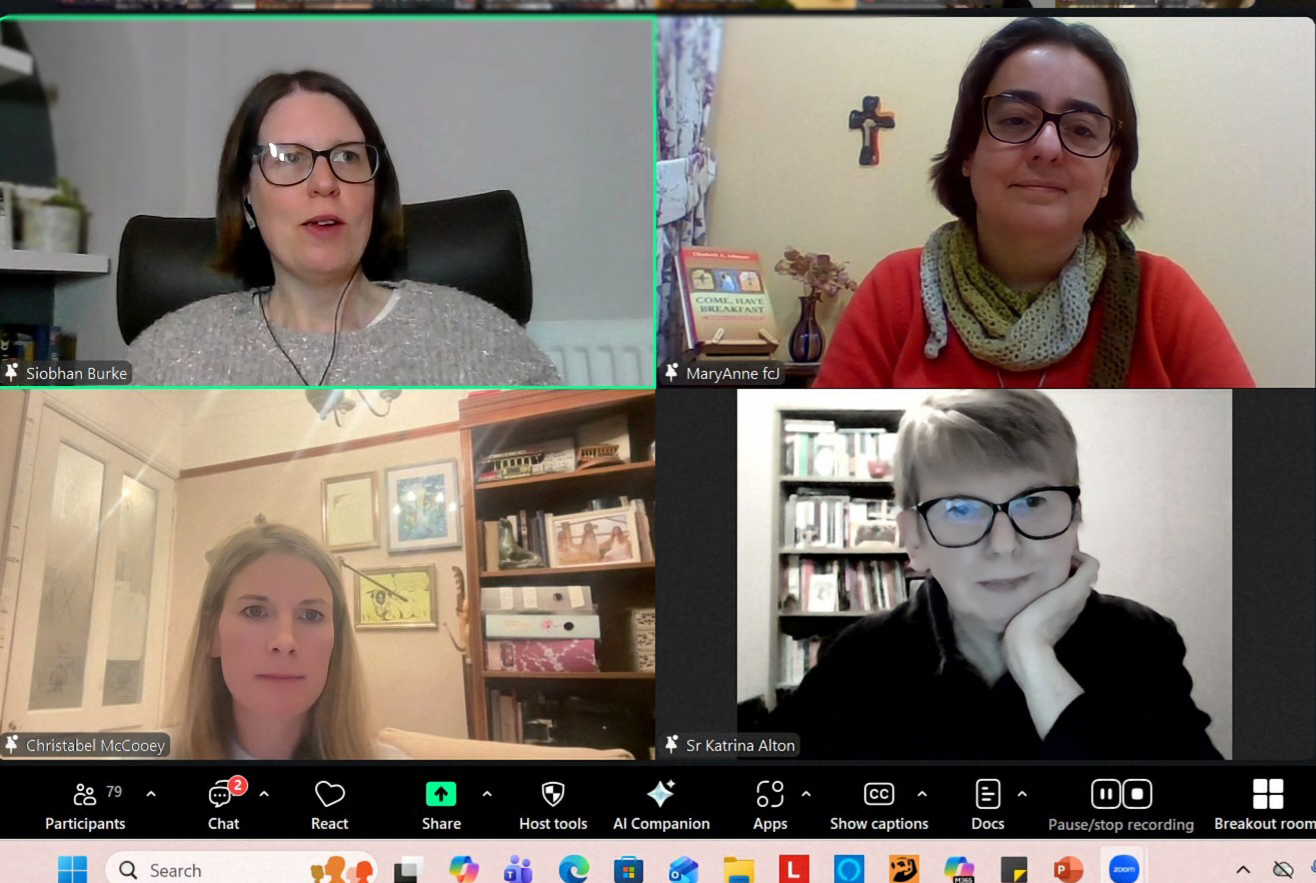
More than 80 participants joined a Pax Christi Zoom gathering on International Women’s Day (8 March) to reflect on the theme “Towards an ‘unarmed’ and ‘disarming’ peace,” inspired by the 2026 World Peace Day message of Pope Leo.
As Chaplain, I was honoured to be joined by three remarkable women: Siobhan Burke, tutor at the St Bede’s Pastoral Centre in York; MaryAnne Francalanza FCJ, Director of the FCJ Centre for Spirituality and EcoJustice; and barrister Christabel McCooey.
International Women’s Day invites us not only to celebrate women’s leadership, wisdom and resilience, but also to listen deeply to women’s voices at the heart of peace-making – listening to one another, and to God. Our opening prayer set the tone:
“God who trusted women with the first yes, the first witness, the first fire. We remember Mary who carried salvation into the heart of Empire, unarmed and disarming.”
We began with a simple question: What stirs in you when you hear the words “unarmed and disarming peace”?
Reflecting on her work in spiritual accompaniment, Siobhan Burke spoke about how her understanding of peace has evolved:
“Growing up, I thought peace meant avoiding conflict. Now I see that tension and disagreement are part of life. Peace is the ability to work through conflict authentically with others.”
For Siobhan, this requires courage and honesty:
“It’s an invitation to risk difficult conversations, to be vulnerable and real. Learning how to pray with strong emotions—anger, anxiety, fear—is part of cultivating peace.”
For MaryAnne Francalanza FCJ, the word disarming was especially powerful:
“Often something beautiful disarms—a smile, a child, an unexpected act of kindness. Disarmed people can build relationship because the barriers of suspicion fall away.”
Quoting the peace message of Pope Leo XIV, she reminded us:
“Goodness is disarming.”
Yet she acknowledged the challenge:
“It takes courage to approach someone whose views you strongly oppose with goodness and kindness that disarms. It makes you vulnerable. But this is our urgent task as the world becomes more polarised.”
Barrister Christabel McCooey pondered what this means for the justice system: “The Christian faith is marked by love. Love for God, neighbour, and strangely, love for our enemy. Just as in other spaces of public life, there is space for love in the justice system, and to think about how love might inform the delivery of justice.”
In the second part of the gathering, participants shared their own experiences, insights and questions. The conversation highlighted how the work of peace often begins in everyday encounters, through listening, courage, and the willingness to disarm our own hearts.
International Women’s Day reminds us that peace is not only negotiated between nations. It is cultivated in relationships, communities, and spiritual practice.
We ended by committing ourselves again to Jesus’ way of Gospel nonviolence:
“Make us true Gospel women, living interruptions to the logic of violence. That Your kingdom may come, unarming our hearts, and disarming the world. Amen”