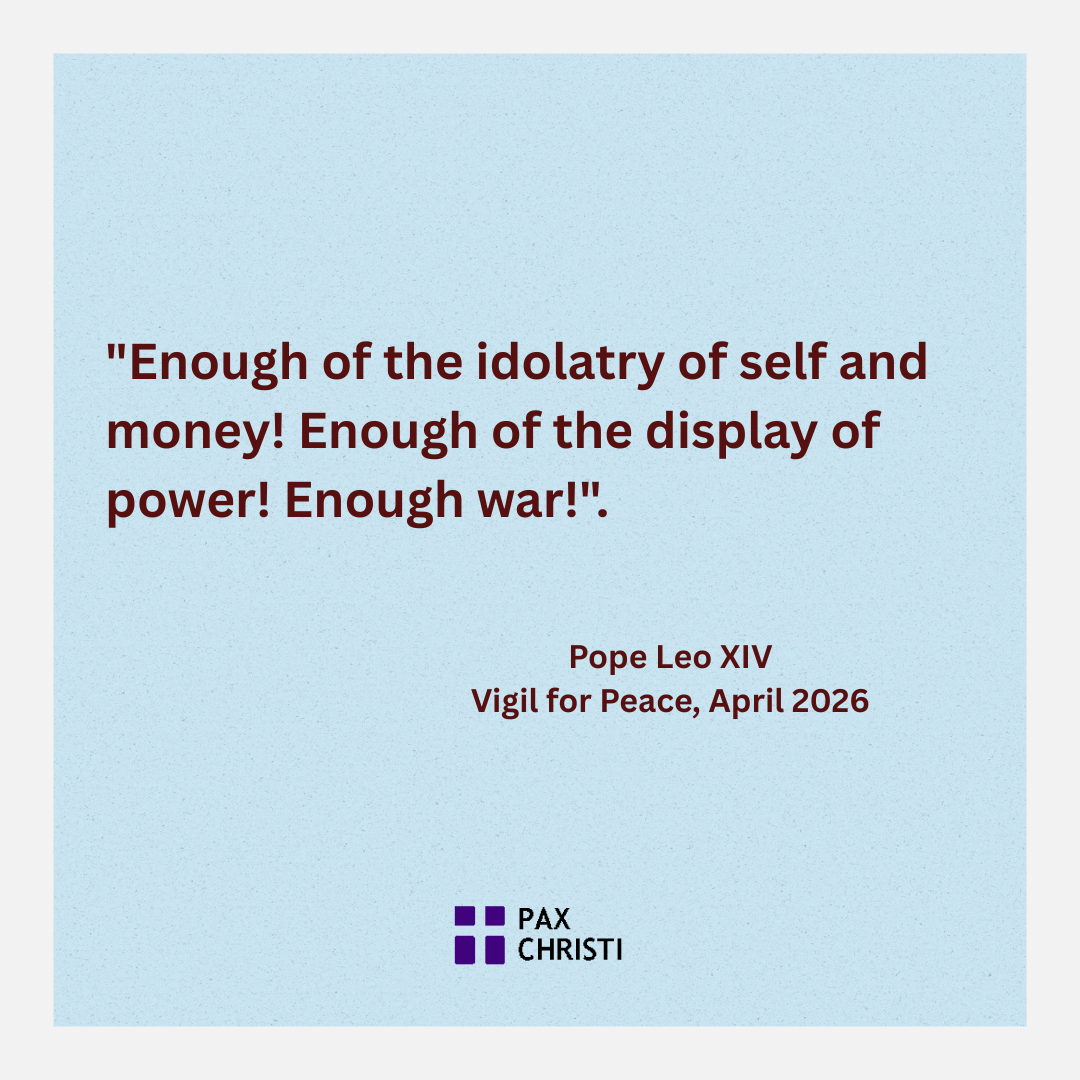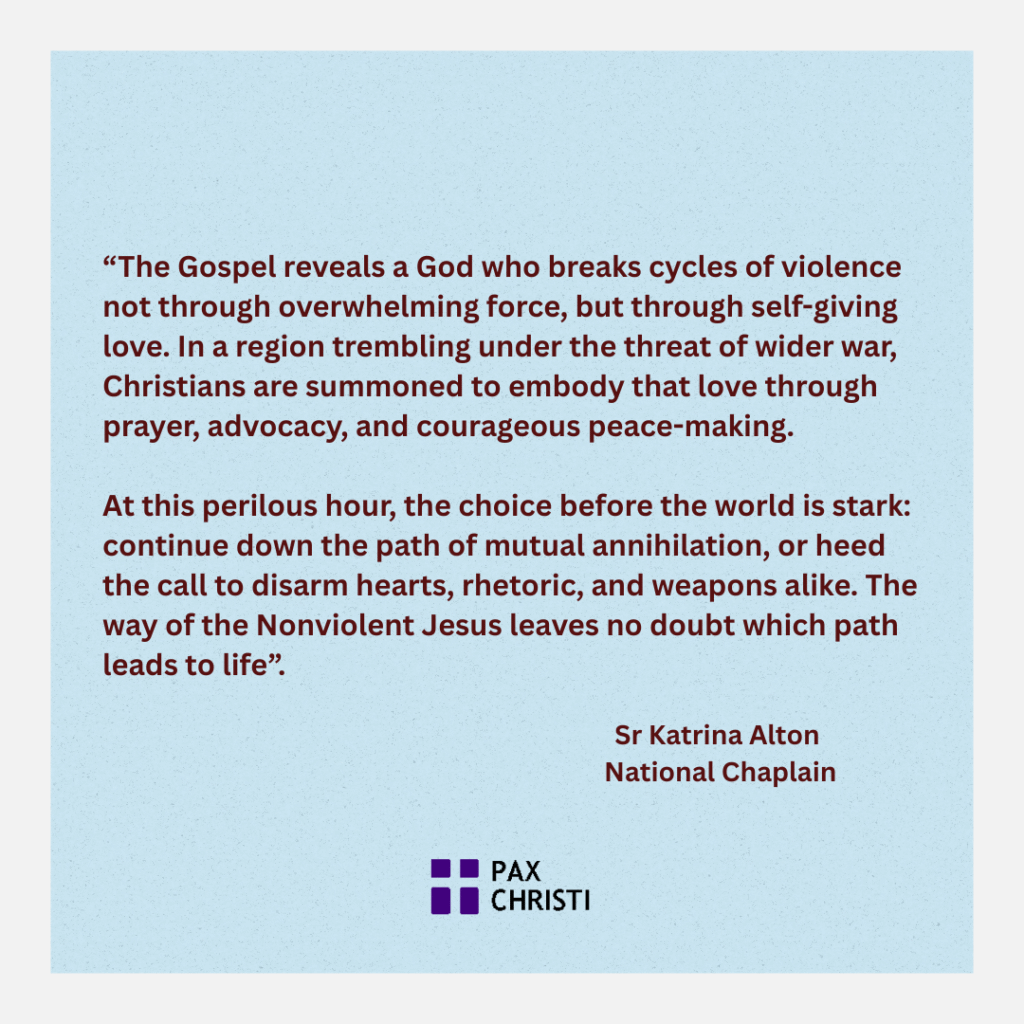
In Bamenda, Cameroon, a city marked by protracted conflict yet faithfully oriented toward reconciliation, Pope Leo XIV articulated a searing theological critique of violence dressed as order. This was not mere pastoral consolation; it was a radical reassertion of the Gospel’s nonviolent logic against the architects of war.
“I am here to proclaim peace,” he began, but immediately destabilized any passive reading of that claim. The locus of proclamation, he insisted, already resides among the people whose “feet” traverse a “bloodstained yet fertile land.” In classical prophetic cadence, he reframed suffering not as silence but as testimony, as witness.
His sharpest intervention targeted the idolatrous fusion of religion and power. Those who “manipulate religion and the very name of God for their own military, economic and political gain,” he warned, enact a form of theological desecration, instrumentalising transcendence for coercion. This is not simply corruption; it is blasphemy embedded in systems.
Equally incisive was his dismantling of the political economy of war. The so-called “masters of war,” he observed, deny an elementary moral truth: “it only takes a moment to destroy, yet often a lifetime is not enough to rebuild.” The allocation of “billions” to destruction, alongside the absence of resources for healing, reveals a global order structured against the Beatitudes.
He pressed further, implicating transnational extraction: wealth drawn from vulnerable lands is transmuted into weapons, perpetuating “an endless cycle of destabilization and death.” This “upside-down world” is, in theological terms, a disordered communion—creation turned against itself.
Against tyrants and billionaires who scandalous accumulation and control, the Pope advances a different eschatology: history bends not through domination, but through a disciplined, collective refusal to participate in violence. To those gathered Pope Leo declared; “Bamenda…you are the city on the hill.”